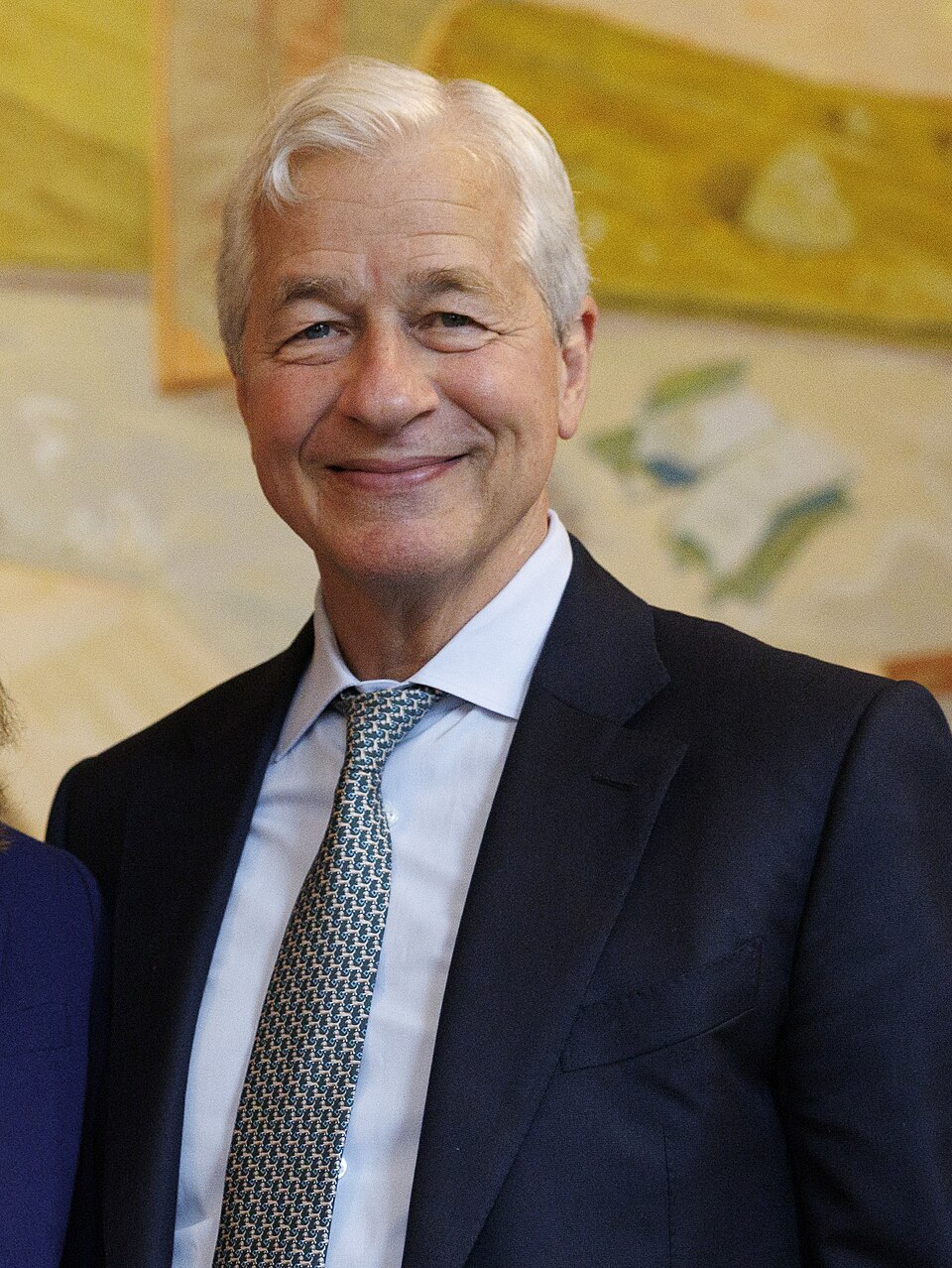
In the high-stakes world of global finance, few names command as much respect and scrutiny as Jamie Dimon. As the long-standing Chairman and CEO of JPMorgan Chase, one of America's largest and most influential financial institutions, Dimon has not only steered the bank through turbulent economic waters but has also amassed a formidable personal fortune. As of 2024, the buzz around Jamie Dimon Net Worth places it firmly over the $2 billion mark, a rare achievement for a bank CEO. This article delves into the career trajectory, leadership philosophy, and financial milestones that have cemented Dimon's status as a banking titan and a billionaire.
The Architect of a Banking Empire: Jamie Dimon's Journey to Billionaire Status
Jamie Dimon's rise to the pinnacle of the financial world is a testament to strategic vision, relentless work ethic, and an unparalleled understanding of banking. Born James Dimon on March 13, 1956, in New York City, he hails from a family with a strong financial background, his parents being Greek immigrants. His early education at the Browning School was followed by a double major in economics and psychology from Tufts University. The intellectual foundation was further solidified at Harvard Business School, where he earned his Master of Business Administration in 1982. During his time at Harvard, he even gained early exposure to the industry by working at Goldman Sachs, hinting at the financial career that lay ahead.
Dimon’s professional journey began alongside his father at American Express. However, a pivotal moment came in 1985 when both father and son departed to take over Commercial Credit, a consumer finance company. Here, Dimon served as Chief Financial Officer, gaining invaluable experience in turning around and growing a business. This foundational period culminated in the creation of Citigroup in 1998, though Dimon eventually left the behemoth.
His next significant move was joining Bank One as CEO in March 2000. At the time, Bank One was the fifth-largest bank in the U.S., a substantial entity that Dimon quickly began to transform. His astute leadership paid off handsomely when JPMorgan Chase acquired Bank One in 2004. This merger was a game-changer, propelling Dimon into the roles of Chief Operating Officer and President of the newly combined entity. By December 2005, his leadership qualities were undeniable, and he ascended to the coveted position of CEO of JPMorgan Chase. A year later, he added the title of Chairman of the Board, consolidating his power and influence. Under his stewardship, JPMorgan Chase has not only become one of the "big four" banks in America but also a leading force globally, even becoming the #1 credit card provider in the USA, demonstrating the vast reach and success of his strategies. To understand the intricacies of his path, explore Jamie Dimon's Billion-Dollar Rise: From Harvard MBA to Banking Titan.
Deconstructing the $2 Billion: Sources of Jamie Dimon's Wealth
The impressive Jamie Dimon Net Worth of over $2 billion in 2024 is primarily a result of his long and successful tenure at the helm of JPMorgan Chase, combined with a significant stake in the company. For a CEO of a publicly traded company, especially one of the magnitude of JPMorgan Chase, compensation packages are multifaceted, comprising salary, performance-based bonuses, and, crucially, stock options and awards. It's the latter component that often forms the lion's share of a top executive's wealth, aligning their personal financial interests directly with the long-term success and stock performance of the company they lead.
Understanding Executive Compensation
- Base Salary: While substantial, it's typically a smaller fraction of the overall package for CEOs of major corporations.
- Cash Bonuses: These are tied to annual performance metrics, such as profitability, revenue growth, and risk management.
- Equity Awards (Stock Options & Restricted Stock Units): This is where the real wealth-building happens. Dimon has been compensated with significant grants of JPMorgan Chase stock over his career. As the company's value has soared under his leadership, so has the value of his holdings. For example, in 2011, his total compensation was $23 million, making him the highest-paid bank CEO in the U.S. In 2013, he received $20 million, and in 2016, his earnings were reported at $28.2 million. These figures, consistent over many years, accumulate into a substantial fortune, especially when invested back into company stock.
As a third-generation stockbroker, Dimon was well-versed in the power of equity ownership. His strategy of focusing on long-term value creation for JPMorgan Chase has directly benefited his personal net worth, making him one of the few bank CEOs to achieve billionaire status. His sustained leadership has driven the bank's market capitalization higher, which, in turn, has significantly boosted the value of his stock holdings. To delve deeper into the specific mechanisms that built his immense fortune, consider reading How Jamie Dimon Built His $2 Billion Fortune as CEO of JPMorgan Chase.
Navigating Challenges and Influence: Dimon's Leadership and Legacy
Jamie Dimon’s career has not been without its challenges, yet his ability to confront and overcome them has only solidified his reputation as a resilient and powerful figure in finance. In 2012, JPMorgan Chase faced a significant hurdle with the "London Whale" trading loss, which amounted to $6 billion. This incident led to intense scrutiny and even a pay cut for Dimon, demonstrating that even at the highest levels, accountability is paramount. His handling of the crisis, however, was seen by many as a masterclass in transparency and damage control, allowing the bank to weather the storm and emerge stronger.
Beyond professional challenges, Dimon also faced a personal battle when he was diagnosed with throat cancer in 2014. After an intense eight-week course of chemotherapy and radiation, he made a full recovery, showcasing his personal fortitude. Despite these demanding periods, his influence on the financial sector has been unwavering. He has been consistently recognized as one of the most powerful people in finance, earning accolades such as being named one of "The Top Gun CEOs" by Brendan Wood International in 2009. Time magazine has featured him four times on its list of the world's 100 most influential people, and Institutional Investor included him in its "All-America Executive Team" as one of the best CEOs from 2008 to 2011. Dimon is also known for his political contributions, being a donor to the Democratic Party.
His leadership philosophy often emphasizes stability, prudent risk management, and a commitment to serving customers, even while pursuing aggressive growth strategies. This blend has allowed JPMorgan Chase to thrive through economic cycles and maintain its position as a global financial leader. His willingness to speak candidly on economic matters and regulatory policy further underscores his significant voice in both the financial and political landscapes.
Beyond the Balance Sheet: Personal Life and Insights
While much of the public spotlight on Jamie Dimon focuses on his professional achievements and the staggering Jamie Dimon Net Worth, his personal life provides a glimpse into the individual behind the corporate titan. Dimon has been married to Judith Kent since 1983, a partnership that has now spanned over four decades. Together, they have three daughters: Kara Leigh, Laura, and Julia. Maintaining a stable family life amidst the relentless demands of leading a global financial institution speaks volumes about his character and ability to compartmentalize and balance intense professional pressures with personal commitments.
Insights from his career also highlight the importance of education and mentorship. His journey from an MBA at Harvard to working alongside his father, and then seizing opportunities like the Bank One acquisition, illustrates a continuous learning curve and a knack for strategic career moves. For aspiring leaders in finance, Dimon's story offers a compelling narrative of how a combination of academic rigor, practical experience, and bold decision-making can pave the way to unparalleled success.
In conclusion, Jamie Dimon's net worth of over $2 billion in 2024 is not merely a number; it's a reflection of a career built on strategic leadership, an uncanny ability to navigate complex financial landscapes, and a deep-seated commitment to growing one of the world's most critical financial institutions. His journey from a Greek immigrant family's son to the CEO of JPMorgan Chase is an enduring testament to vision, resilience, and the immense opportunities within the American financial system. Dimon’s legacy is firmly etched into the annals of modern banking, not just for his personal fortune but for the indelible mark he has left on JPMorgan Chase and the broader global economy.